Things to Do in Praia in April
April weather, activities, events & insider tips
Low Season · Budget Friendly
April Weather in Praia
Long-run averages for April
82°F (28°C)
High Temp
68°F (20°C)
Low Temp
0.0 inches (0 mm)
Rainfall
63%
Humidity
12
Sunny-Day UV
⚠ Bruma seca, the Saharan dust haze, can choke visibility and air quality for days during April. Heavy dust turns the sky milky white. Fine grit coats every exposed surface. Asthma sufferers should carry medication and skip summit hikes on worst days. Check conditions locally each morning before committing to high-altitude plans.
⚠ UV exposure runs extreme at this latitude regardless of moderate temperatures. Steady trade winds create deceptive cooling. Sunburn tops the list of health complaints among April visitors to Praia. Severe cases can wreck hiking plans for your entire trip.
Is April Right for You?
Weigh the advantages and considerations before booking
Advantages
- + Zero rainfall and 63% humidity make April one of the most comfortable months to explore Praia on foot. The Platô district sits on a flat-topped mesa above the harbour. Northeast trade winds blow steadily here. They keep midday heat from ever feeling oppressive. You can walk from Sucupira Market up through colonial-era streets without arriving drenched in sweat. That is not the case by August.
- + April sits in a sweet spot. The European winter-sun crowd fills Sal and Boa Vista from November through March. The diaspora homecoming wave peaks in July and August. Praia was never the beach-resort island. Visitor numbers stay thin. Cidade Velha, the UNESCO-listed ruins of the oldest European settlement in the tropics, lies 15 km (9.3 miles) west of the city. You might share the Pelourinho and the Fortaleza Real de Sao Filipe with just a handful of Cape Verdean school groups for an entire morning.
- + Hiking conditions across Santiago island are close to ideal. Serra Malagueta Natural Park and the trail up Pico d'Antonio, at 1,394 m (4,573 ft) the island's highest point, are dry underfoot. Clear sightlines stretch to neighbouring Fogo on sharp days. The wet-season mud that makes these trails treacherous from August through October is months away. Cooler early-morning temperatures at altitude, around 15°C (59°F) at the summit, keep the ascent from turning into an endurance test.
- + The Atlantic is calm enough for boat trips along Santiago's west coast. The run from Ribeira da Barca to the sea caves and snorkelling coves becomes inaccessible once summer swells pick up. Water temperature hovers near 23°C (73°F). It is cool enough to be refreshing after a morning hike. It is warm enough that a full wetsuit feels like overkill. A rash guard and board shorts are the local call.
Considerations
- − The landscape is unambiguously dry. Santiago's interior in April shows burnt ochre hillsides, bare ribeiras, and volcanic rock. Nothing here resembles the sudden green explosion that transforms the island after the first September rains. If you came expecting lush tropical scenery, you will recalibrate within hours of landing at Nelson Mandela International Airport. The beauty is stark and mineral. It is more Sahel than Caribbean. That catches some visitors off guard.
- − Bruma seca, the Saharan dust haze that drifts southwest from the continent, can settle over Praia for days at a stretch during the dry months. On bad days the sky goes from deep Atlantic blue to a milky grey-white. Visibility drops noticeably. The dust coats everything: your sunglasses, your camera lens, the lip of your morning galao at a Platô cafe. It is not dangerous for most people. Anyone with respiratory sensitivity should pack accordingly. Check conditions before committing to a summit hike.
- − Praia is a working capital, not a resort. The tourism infrastructure reflects that. Do not expect the all-inclusive ease of Sal's Santa Maria strip. Signage is minimal. English is spoken less widely than Portuguese or Kriolu. Getting to trailheads or beaches outside the city means navigating the aluguer minibus system or arranging private transport. This is part of the appeal for a certain traveller. It demands more planning. It demands a higher tolerance for improvisation than the beach islands.
Best Activities in April
Top things to do during your visit
April brings zero rain to Praia. The capital of Cabo Verde sits deep in its dry season now, with average highs around 28°C and humidity at its annual lowest. The air carries the faint mineral scent of sun-baked volcanic rock from the hillsides above the city. Below the Platô cliffs, the Atlantic shimmers in unbroken blue from dawn until slow copper sunsets draw locals to Avenida Amílcar Cabral. This is Praia stripped to essentials: salt air, warm stone, distant music drifting from a quintal somewhere in Achada Santo António. What distinguishes April from neighboring months is stillness. The rains that green Santiago's interior valleys won't arrive until July at earliest, so the landscape holds its tawny, spare beauty. Terraced hillsides show burnt sienna. Occasional acacias cast precise circles of shade. The ocean, unbothered by wet-season swells, lies calmer than it will for months. This opens Santiago's western coastline for boat excursions and snorkeling in visibility that summer cannot match. Praia's restaurants stay unhurried. Grilled-fish stalls near Sucupira Market char whole serra over coconut-shell coals. Quieter spots in Platô simmer cachupa all morning in heavy iron pots. Tables fill but aren't contested. For travelers arriving in April, Praia offers something increasingly rare among Atlantic island capitals: a city that hasn't learned to perform for tourists. The rhythms here are local. Fishermen haul catches onto Praínha beach before heat peaks. Vendors at Sucupira sort pyramids of mangoes and papayas while grogue sellers pour samples from unlabeled bottles. The warmth stays steady and enveloping, softening at night when temperatures ease toward 20°C. The breeze off the harbour carries morna, slow and aching and distinctly Cape Verdean, from a bar you'll find by ear, not by signage.

From Praia: Discover Santiago Island in 1 Day
otherThis full-day circuit peels Santiago open from coast to mountain. It begins in Praia and pushes north through the volcanic interior, where the road climbs past ribeiras choked with sugarcane and papaya trees. The air thickens with the sweet vegetal smell of overripe fruit. You pass through Assomada's highland market town, where cooler elevation brings a different Cape Verde into focus. Then you descend to Tarrafal's crescent beach. The fine pale sand curves into water so still and turquoise in April's calm conditions that it feels like arriving at a landlocked lake rather than the open Atlantic.
Santiago is the most geographically varied island in Cabo Verde, and this single day compresses its full range, arid lowlands, lush ribeiras, mountain plateaus, and a north-coast beach, into one continuous arc that no amount of wandering Praia alone can replicate.
Insider tip: Ask the guide to stop at the Serra Malagueta overlook on the descent toward Tarrafal. In April's cloudless air the visibility often extends to Fogo's volcanic cone across the channel, and the panorama of Santiago's northern valleys is unobstructed.
This month: April's zero rainfall and minimal cloud cover mean unobstructed views from Santiago's highland passes, and the calm Atlantic makes Tarrafal's beach swimming at its most placid.

Santiago Island: Best of Praia & Cidade Velha Tour, a World Heritage Site
culturalThe tour begins in Praia's Platô district. Colonial-era buildings in faded ochre and sea-green line streets narrow enough to touch both walls. Then it follows the coast road southwest toward Cidade Velha, the first European settlement established in the tropics, founded in 1462 and now a UNESCO World Heritage Site. Standing inside the roofless nave of the Sé Catedral, the oldest colonial cathedral in sub-Saharan Africa, you hear only wind and the crash of surf against rocks below. Above you, the massive Fortaleza Real de São Filipe stares down from its clifftop perch. Its dark stone walls radiate stored heat of the afternoon while the view from its ramparts stretches across the Atlantic in every shade of slate and cobalt.
Cidade Velha is where the entire colonial history of West Africa's Atlantic coast began, the slave trade, the Creole languages, the musical traditions that became morna and coladeira, and walking its silent streets with a knowledgeable guide turns ruins into narrative in a way that visiting alone cannot.
Insider tip: Time your visit to arrive at the Fortaleza in the late afternoon when the tour groups from cruise ships have departed and the light turns the fortress walls and the ocean below into shades of amber and deep indigo.

Santiago Island Experience - Culture, Nature & Tarrafal Beach
guided_experienceThis guided route traces Santiago's cultural spine from Praia northward. It pauses at highland villages where women pound milho in stone pilões, the rhythmic thud carrying across the terraced valley. Then it continues through the Serra Malagueta natural park, where even in the dry season the higher elevations hold pockets of endemic dragon trees and wild coffee plants with waxy leaves that catch the light. The day culminates at Tarrafal Beach, where the sand is warm underfoot and the water tastes clean and faintly saline, free of the sediment that summer rains will later wash down from the hills. The combination of agricultural communities, volcanic wilderness, and a rewarding final swim gives the day a shape that feels earned rather than scheduled.
It threads together the three things that make Santiago singular among Cape Verdean islands, a living rural culture rooted in West African and Portuguese traditions, a volcanic landscape that shifts ecosystem every few hundred meters of elevation, and a northern beach that rewards the long drive with genuine serenity.
Insider tip: Bring a towel and swimwear specifically for Tarrafal. The guides typically allow a generous swim stop, and the shallow entry means you can wade far out where the water is coolest and the seabed drops to soft white sand.

Ribeira da Barca: Boat Trip to the Cave, Snorkeling and BBQ on the beach
adventureThe boat pushes off from Ribeira da Barca on Santiago's western coast. It follows a shoreline where black volcanic cliffs drop straight into water so clear you can read the seabed's patchwork of dark basalt and pale sand from the surface. The route leads to a sea cave where the engine cuts and the only sound is the slap of small swells against stone and the drip of mineral-stained water from the cave ceiling overhead. After snorkeling over reef fish and sea urchins clinging to volcanic rock, the boat returns to a beach where the crew grills freshly caught fish over driftwood coals. The smoke carries that particular Cape Verdean scent of charred tuna mixed with salt air, and the first bite flakes apart with a clean, briny sweetness.
This is the Santiago that most visitors to Praia never reach, a raw, sparsely populated western coastline accessible only by boat, where the geology is dramatic and the water is yours alone.
Insider tip: The sea on Santiago's western side is calmest in the morning before the afternoon trade wind picks up. Confirm with the operator that departure is scheduled before 10 a.m. for the smoothest ride and best snorkeling clarity.
This month: April falls squarely in the dry season when Santiago's western waters are at their calmest and clearest, ideal conditions for both the boat passage and underwater visibility during the snorkel stop.

Like Locals: Banana Plantation, and Cuscuz with locals
otherThis experience takes you into the ribeira, the steep-sided volcanic valley inland from Praia, where banana plants grow in dense groves that block the sun and fill the air with a humid, green, almost tropical sweetness entirely at odds with the dry coastal capital a few kilometers away. You walk between rows of broad-leafed plants heavy with ripening fruit, the ground soft and dark underfoot, before sitting with a local family to learn cuscuz, not the North African couscous but Cape Verde's own steamed cornmeal cake, pressed into a ridged mold and cooked over a wood fire until the crust turns golden and the interior stays soft and faintly sweet. You eat it warm, paired with fresh goat cheese and local honey, while the family shares stories in Kriolu that the guide translates with evident affection.
This is the closest you will come to understanding how Cape Verdeans on Santiago live and eat, not as performance. But as an invitation into a domestic routine that has barely changed across generations.
Insider tip: The cuscuz tastes best eaten immediately after it comes off the fire. Resist the impulse to photograph first and eat second, because the texture of the golden crust softens rapidly as it cools and you lose the contrast with the tender center.
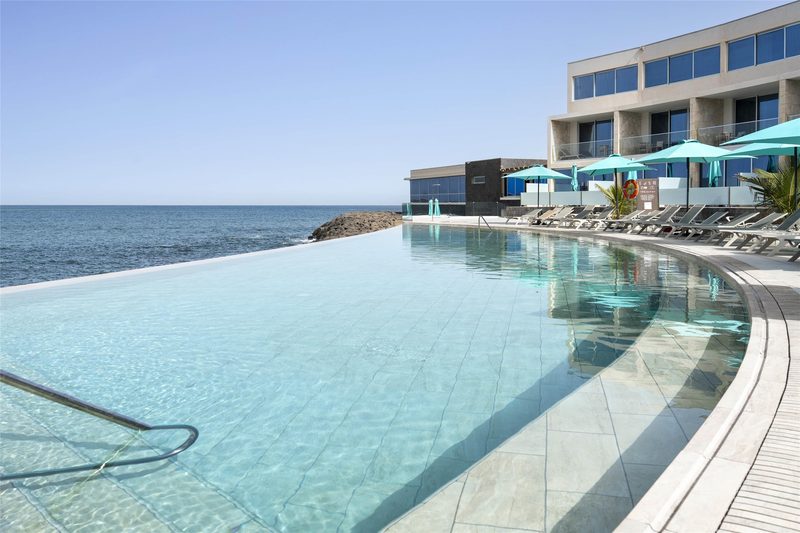
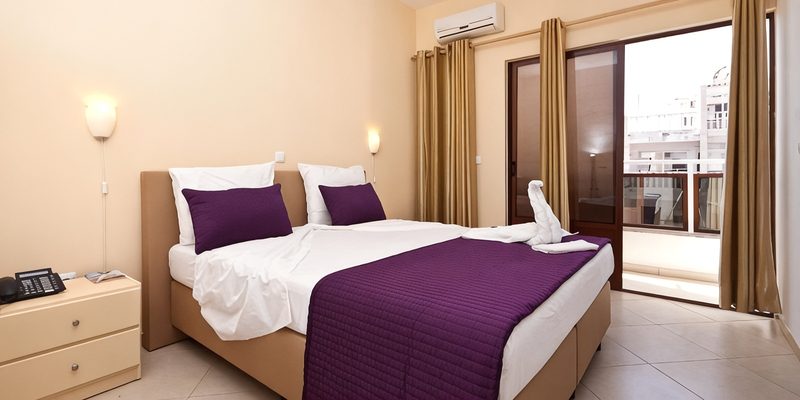
Where to Stay in Praia in April
Hand-picked hotels across price tiers for April travellers.
Packing Checklist
Bookmark this page — your progress is saved between visits
Need the full list with shopping links?
Climate-specific gear, brand recommendations, and what to leave at home.
View Praia Packing List →Essential Tips
Insider knowledge and common pitfalls to avoid
Insider Knowledge
Sunday morning cachupa is a Praia institution. The dish takes hours to prepare and most families and neighbourhood restaurants start the pot Saturday night. The Sunday version, cachupa rica, is the loaded one, with pork, linguica, blood sausage, and sometimes a fried egg on top. Head to the restaurants in Achada Santo Antonio or around Sucupira before 10 AM, when the pot is fullest and the corn has not yet broken down into mush. This is when Praia eats communally, and sitting at a shared table with a bowl of cachupa and a strong coffee is the fastest way to stop feeling like a tourist.
The aluguer minibus system is Praia's actual public transit and it is cheaper and more interesting than any taxi. But it runs on its own logic. Vehicles leave from Sucupira when they are full, not on a schedule. The buses to Cidade Velha, Assomada, and Tarrafal are the most frequent. Sit near the door unless you enjoy climbing over six people at your stop. Tell the driver your destination when you board and pay when you exit. The system works remarkably well once you stop expecting it to behave like European public transport.
Grogue, the Cape Verdean sugarcane spirit, varies wildly by producer and village. The commercial brands available in Praia supermarkets are fine. But the real experience is tasting trapiche-pressed grogue in the interior villages along the road to Assomada, where small producers sell it from unmarked houses. Pontche, the local cocktail of grogue with honey and lime, is the gentler entry point. The honey comes from Santiago's own apiaries and has a dark, almost molasses quality that balances the spirit's raw edge. Ask your guide to stop if you are on a Santiago island tour.
Praia's live music scene is concentrated around the Gamboa waterfront and a handful of spots in the Platô, but it operates on Cape Verdean time, which means nothing starts before 10 PM and the best acts play past midnight. If you are in town during the Atlantic Music Expo in April, the waterfront stages are the place to be. Outside of AME, ask at your accommodation or listen for amplified sound after dark. The funaná nights, driven by accordion and ferro, a scraped metal percussion instrument, are the ones that fill the dance floor fastest. Morna evenings are quieter, more contemplative, and best experienced with a glass of pontche and nowhere to be in the morning.
Avoid These Mistakes
Treat Praia as a beach destination and you will leave disappointed. The city beaches, Quebra Canela and Prainha, serve a purpose. Dark volcanic sand. Limited shade. Fishing boats parked where you hoped to spread your towel. The real beach day waits at Tarrafal, 70 km (43 miles) north. The real swimming happens off the boat at Ribeira da Barca. Visitors expecting Sal's white-sand resort scene have come to the wrong island entirely.
Underestimate the sun at your peril. At 28°C (82°F) with trade winds blowing, the air deceives you. First-timers burn badly on day one. The UV here hits hard. Apply sunscreen before you step outside. Carry it. Wear a hat even if you never do at home.
Skipping Santiago's interior means missing the point. Drive Serra Malagueta's mountain roads. See the agricultural terraces below Pico d'Antonio. Visit trapiche grogue producers near Assomada. These distinguish Santiago from every other Cape Verdean island. Praia is gateway, not destination. Visitors who spend all three or four days in the capital miss the island's best terrain, which begins 30 km (19 miles) inland and climbs from there.
Ready to plan your trip to Praia?
Now that you've got the research covered, here's where to go next.
Explore More Activities in Praia
Didn't see anything interesting yet?
Browse Viator's full catalog of tours, day trips, food experiences, and private guides in Praia.
See All Praia Tours on Viator