Things to Do in Praia in March
March weather, activities, events & insider tips
Shoulder Season · Good Value
March Weather in Praia
Long-run averages for March
82°F (27°C)
High Temp
67°F (19°C)
Low Temp
0.0 inches (0 mm)
Rainfall
68%
Humidity
12
Sunny-Day UV
⚠ Bruma seca hits early March. Saharan dust drifts southwest, thickening air, flattening light. Skies turn milky white. Grit coats every surface. It passes in one to two days. Summit hikes suffer most. Panoramic views vanish. Check forecasts. Wait it out.
⚠ March UV hits extreme. Latitude, dry air, and cloudless skies combine into something dangerous. Unprotected skin burns fast. Boat trips amplify the risk. Reflected light doubles the damage. Ridge hikes expose you completely. Pack serious protection. Reapply often.
Is March Right for You?
Weigh the advantages and considerations before booking
Advantages
- + March sits squarely in Praia's bone-dry season with zero measurable rainfall, meaning every hiking trail on Santiago Island is accessible and the volcanic ridgelines above the city stay sharp against a cloudless Atlantic sky. You can plan outdoor days without a single weather contingency.
- + Temperatures hover at a comfortable 27°C (82°F) during the day and cool to 19°C (67°F) at night, warm enough to swim at Quebra Canela beach by mid-morning but mild enough that full-day hikes to Serra Malagueta or Pico d'Antonia feel manageable rather than punishing. The northeast trade winds keep the air moving, so the heat never sits on you the way it does in August or September.
- + The post-Carnival lull means Praia's guesthouses and restaurants operate at a relaxed pace. Carnival falls in February in 2027, and by March the city has exhaled. You get the infrastructure of tourist season without the compression of peak weeks, and local operators have more flexibility for small-group or custom itineraries across Santiago.
- + March is one of the clearest months for visibility across the channel between Santiago and Fogo, and the ocean conditions along the western coast near Ribeira da Barca tend to be calm enough for boat trips and snorkeling. The water temperature runs around 23°C (73°F), comfortable without a wetsuit for most people.
Considerations
- − Bruma seca, the Saharan dust haze that drifts southwest from the continent, can still linger into early March. On hazy days the volcanic peaks that normally frame Praia's skyline dissolve into a flat, washed-out grey, and the air carries a faint mineral grit that settles on everything. It clears on its own, usually within a day or two. But it can spoil a sunrise hike if the timing is wrong.
- − Praia in the dry season is parched. The interior ribeiras that cascade with water during August and September are mostly bare rock in March, which means the lush green valleys you see in Cape Verdean tourism photographs look very different in person. Santiago's landscape is stark, volcanic, and ochre-toned. If you came expecting tropical greenery, you will need to recalibrate.
- − March is still firmly in the European winter-escape window, so flights from Lisbon and direct connections from other European hubs tend to be priced at seasonal premiums. Booking accommodation four to six weeks ahead is advisable since Praia's quality guesthouse inventory is small and the better-located places on the Platô or in Achada Santo António fill reliably.
Best Activities in March
Top things to do during your visit
March in Praia marks the tail end of Cape Verde's long dry season. The capital feels it in every grain of sand, every gust of trade wind. Daytime temperatures hold steady around 27°C. That reliable warmth settles into your skin by mid-morning and stays through the long Atlantic dusk. Rainfall is essentially nonexistent. March averages zero millimetres. Santiago Island wears its driest face: ochre hillsides, exposed basalt ridges, coastline after coastline of dark sand meeting water so blue it looks artificially saturated. The air carries a faint mineral edge. Dust from the Sahara mixes with sea salt. The light has a clarity that flattens shadows at noon, then turns everything amber by five in the afternoon. Praia's outdoor life hits its most relaxed tempo now. Fishermen haul catches onto Prainha beach in the early hours. They lay silvery tuna and wahoo across wet sand while stray cats circle at a respectful distance. By mid-morning the Sucupira Market hums with vendors. They sell everything from hand-dyed panos cloth to heaped pyramids of dried hibiscus flowers. The tart smell of bissap mixes with charcoal smoke drifting off grilled corn carts. Evenings pull residents toward the Plateau. That old colonial quarter perches on a bluff above the harbour. Cracked pastel facades glow in the last light. The sound of morna music leaks from open doorways. The ocean is calm enough in March for boat excursions along Santiago's western coast. Visibility underwater tends to be strong. It is a practical window for snorkelling without the swells that arrive later in summer. Praia in this month is unhurried, dry, and itself. A West African capital on a volcanic archipelago, running on its own clock.

From Praia: Discover Santiago Island in 1 Day
otherThis full-day circuit pulls you out of Praia before the heat peaks. It threads through the interior highlands, where terraced plots of sugarcane and banana palms cling to volcanic slopes still damp with morning condensation. The route typically covers Cidade Velha's crumbling fort and pillory. That is the oldest European colonial settlement in the tropics. Then it climbs into the Serra Malagueta range. The air cools noticeably there. The scent of eucalyptus replaces the coastal salt. You descend to Tarrafal's pale crescent beach on the island's northern tip. The sand is lighter than Praia's dark volcanic stretches. The water runs warm and shallow enough to wade out dozens of metres.
The only way to see Santiago's full geographic range in a single day. From the colonial ruins at sea level to cloud-forest ridgelines to a north-coast swimming beach. Without navigating the island's winding mountain roads yourself.
Insider tip: Bring a light layer for the Serra Malagueta stop. Even in March, the elevation drop in temperature is noticeable. The wind at the viewpoints can be sharp.

Santiago Island: Best of Praia & Cidade Velha Tour, a World Heritage Site
culturalThis half-day tour links Praia's Plateau district with Cidade Velha. Portuguese-era administrative buildings line quiet squares paved in black and white basalt mosaic. The drive south along the coast takes fifteen minutes. At Cidade Velha you walk through the remains of Ribeira Grande. Once it was the hub of the transatlantic slave trade. The Pelourinho column still stands in a grassy clearing. The roofless shell of the Sé cathedral lets equatorial light pour across its stone floor. The smell of grilled fish drifts uphill from beachside restaurants below. It mixes with frangipani that grows wild among the ruins. Standing inside the Fortaleza Real de São Filipe, perched on the cliff above the old town, the view stretches across the blue-black Atlantic. It reaches down to where the Ribeira Grande river meets the sea.
Cidade Velha is a UNESCO World Heritage Site and the emotional centre of Cape Verdean identity. This tour gives it the historical context that walking the site alone cannot.
Insider tip: Visit the Rua Banana early in the tour. That is the oldest street in the settlement. Go before other groups arrive. Its narrow corridor between stone walls funnels sound. Hearing it quiet makes the age of the place tangible.

Santiago Island Experience - Culture, Nature & Tarrafal Beach
guided_experienceThis full-day route through Santiago Island balances cultural immersion with one of Cape Verde's finest swimming beaches. The itinerary typically winds through the agricultural interior. There you can see women pounding dried corn into cuscuz flour using heavy wooden pestles. A rhythmic, percussive sound carries across the valley. The landscape shifts from dry coastal scrub to green terraced hillsides. Coffee, mango, and papaya grow in tight volcanic soil. The day finishes at Tarrafal. The beach curves into a sheltered cove. The water is calm and clear enough in March to see the sandy bottom several metres out. The taste of grogue, the local sugarcane spirit, sampled at a trapiche mill along the way leaves a raw, slightly sweet burn.
Combines working agricultural life, highland scenery, and Tarrafal's swimming beach in a single itinerary. The island's culture and landscape in one continuous thread.
Insider tip: Wear shoes suitable for uneven ground at the plantation stops. The paths between sugarcane plots and trapiche mills are loose volcanic gravel, not paved walkways.

Ribeira da Barca: Boat Trip to the Cave, Snorkeling and BBQ on the beach
adventureThe boat ride from Ribeira da Barca hugs Santiago's rugged western coastline. Black volcanic cliffs drop straight into deep Atlantic water. Sea spray kicks up in white plumes against the rock. The route leads to a sea cave. A hollow carved into the basalt by centuries of wave action. The water inside shifts between turquoise and ink-dark depending on the angle of sunlight overhead. Snorkelling outside the cave mouth in March means calm surface conditions. Visibility lets you track schools of parrotfish and sergeant majors against the volcanic reef. The day closes with a beach barbecue. Fresh-caught fish grilled over driftwood coals. The smoke curls into still air. There is a particular satisfaction in eating something pulled from the water you just swam through.
Santiago's western coast is largely inaccessible by road. Seeing its sea caves and cliff formations from the water is an experience the island's land-based tours cannot replicate.
Insider tip: Bring reef-safe sunscreen and a rash guard. The boat ride to the cave offers no shade. The equatorial sun reflecting off the water intensifies exposure even on overcast mornings.
This month: The ocean is calm enough in March for boat excursions along Santiago's western coast. Visibility underwater tends to be strong. It is a practical window for snorkelling without the swells that arrive later in summer.

Like Locals: Banana Plantation, and Cuscuz with locals
otherThis experience takes you into Santiago's agricultural interior to visit a working banana plantation. The broad, waxy leaves create a canopy so dense the light underneath turns green. The air holds a thick, vegetal humidity even in dry March. You walk between the rows while a local farmer explains the growing cycle. He'll tell you the particular challenges of building on volcanic soil with almost no rainfall for months at a stretch. The centrepiece is making cuscuz. That is the steamed cornmeal cake that is Cape Verde's staple. You work alongside local cooks who shape the batter by hand and steam it in traditional clay moulds over wood fire. The finished cuscuz has a faintly sweet, toasted-corn flavour. Its crumbly texture pairs with the strong local coffee served alongside it. The smell of woodsmoke and steaming cornmeal fills a rural kitchen. Chickens scratch in the yard outside. The low murmur of Kriolu conversation surrounds you. It is as close to the everyday texture of Santiago life as a visitor can get.
This is the only tour on Santiago that puts you inside a working household kitchen to cook the island's defining dish with the people who eat it daily.
Insider tip: Bring an appetite and skip breakfast. The cuscuz portion is generous. The hosts often add sides of fresh papaya and goat cheese. The cooking lesson becomes a full meal.
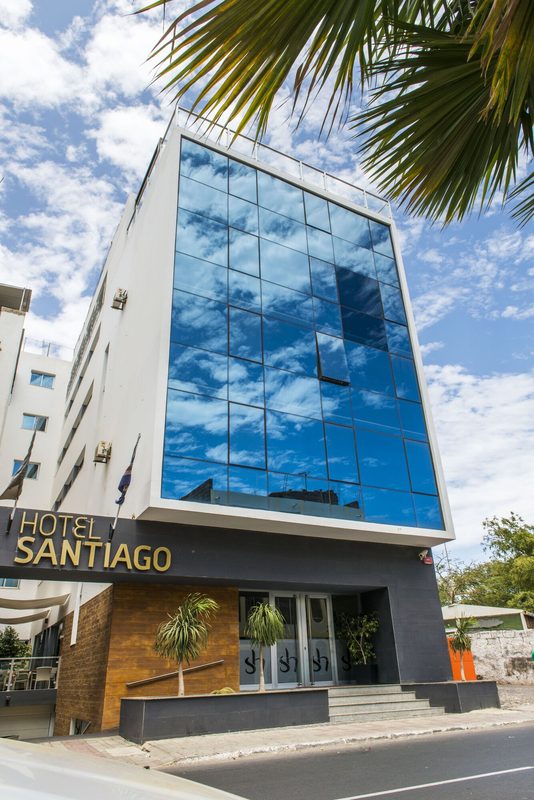
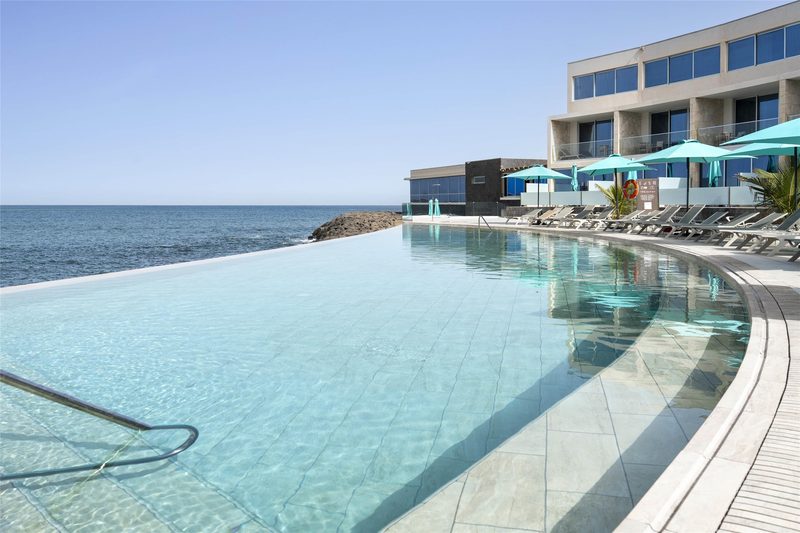
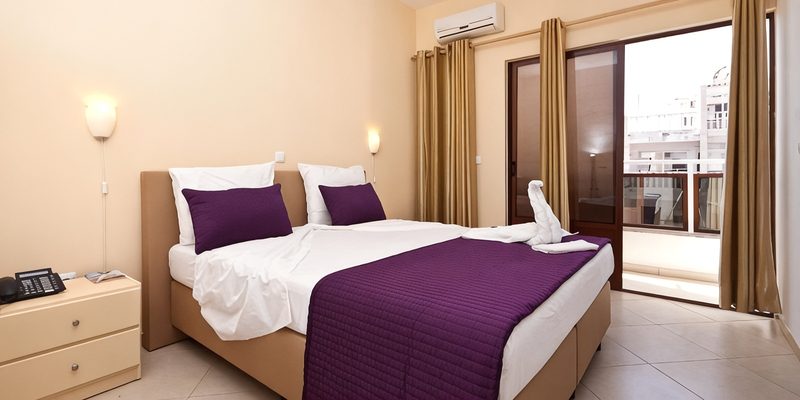
Where to Stay in Praia in March
Hand-picked hotels across price tiers for March travellers.
Packing Checklist
Bookmark this page — your progress is saved between visits
Need the full list with shopping links?
Climate-specific gear, brand recommendations, and what to leave at home.
View Praia Packing List →Essential Tips
Insider knowledge and common pitfalls to avoid
Insider Knowledge
Cachupa, Cape Verde's national dish, is a slow-cooked stew of hominy corn, beans, and whatever protein the cook has on hand, pork and linguiça sausage in the richer version, tuna or mackerel in the leaner one. In Praia, the best cachupa is the Monday-morning cachupa guisada reheated from Sunday's pot, when the flavours have had a full night to deepen and the corn breaks down into something almost creamy. The Platô neighbourhood's older cafés serve it as a working breakfast. Order it before 8 AM and you will likely be the only visitor in the room. It is hearty, slightly smoky, and the kind of food that anchors you to a place. Eat early.
Praia's nightlife concentrates on weekends in the Achada Santo António neighbourhood, where live music bars play morna, funaná, and coladeira until the small hours. March evenings are warm enough to sit outside but not suffocating. The sound of a cavaquinho drifting from an open doorway while the trade wind carries the smell of grilled espetada from a nearby churrasqueira is one of those moments that does not translate to a photograph. Ask your guesthouse host which bars have live sets that weekend rather than guessing from the street. The best sessions happen in unmarked rooms above shops. Ask locals.
Aluguer, the shared minivans that connect Praia to every town on Santiago, are the local transport system and dramatically cheaper than private taxis. They leave from the Sucupira Market area when full, not on a schedule. You might wait twenty minutes or leave immediately. The ride to Tarrafal takes about ninety minutes on winding roads and is a better window into Santiago's interior than any guided tour, because you are sitting alongside farmers, market vendors, and schoolchildren. Sit on the left side heading north for the best views of the interior ribeiras. Save money.
Cape Verdeans take their grogue seriously. Grogue is sugarcane rum distilled in trapiches, traditional wooden presses, across Santiago's interior, and the quality ranges from raw firewater to refined spirits with notes of caramel and dried fruit. In Praia, you can find small-batch bottles from specific distilleries at shops around the Sucupira periphery, and the staff will let you taste before buying. The pontche, grogue mixed with lime and molasses, is the social drink of choice and tastes like a rougher, more honest caipirinha. Try before you buy.
Avoid These Mistakes
Avoid treating Praia as a beach resort. Praia is a working West African capital city that happens to be on an island, not a manicured beach destination like Sal or Boa Vista. Quebra Canela beach is fine for a late-afternoon swim. But visitors who fly in expecting white sand and beach bars will be confused. Praia's strengths are cultural depth, hiking access to Santiago's interior, and the Cidade Velha UNESCO site. Come for the island, not the sunbed. Adjust expectations.
Do not skip Santiago's interior for the coast. Most first-time visitors stick to Praia and Cidade Velha, maybe Tarrafal for the beach, and miss the dramatic highland landscape between Assomada and Serra Malagueta entirely. The ribeiras, terraced agricultural valleys cut deep into volcanic rock, are Santiago's most visually striking feature, and March's dry clarity makes them look like geological textbook illustrations. Dedicate at least one full day to the interior. Go inland.
Never underestimate sun exposure because of the wind. The northeast trade wind in March keeps air temperatures feeling comfortable. But it does nothing about the solar radiation. First-time visitors routinely burn badly on hiking days or boat trips because the breeze convinces them the sun is mild. It is not. Cover up, apply sunscreen before you leave, and reapply relentlessly. The wind lies.
Ready to plan your trip to Praia?
Now that you've got the research covered, here's where to go next.
Explore More Activities in Praia
Didn't see anything interesting yet?
Browse Viator's full catalog of tours, day trips, food experiences, and private guides in Praia.
See All Praia Tours on Viator