Things to Do in Praia in September
September weather, activities, events & insider tips
Low Season · Budget Friendly
September Weather in Praia
Long-run averages for September
87°F (30°C)
High Temp
75°F (24°C)
Low Temp
3.0 inches (76 mm)
Rainfall
80%
Humidity
11
Sunny-Day UV
⚠ Flash flooding risk in Praia's ribeiras and along unpaved mountain roads during heavy downpours. Seasonal river channels that appear bone-dry can fill within minutes, and several crossings on rural Santiago roads have no barriers or warning signs. Never hike through or drive across a flowing ribeira.
⚠ September falls within the Atlantic hurricane formation zone, and while direct strikes on Cape Verde are uncommon, tropical disturbances can stall nearby and deliver two to three consecutive days of heavy rain and strong winds, occasionally disrupting inter-island flights and ferry services entirely.
⚠ Mosquito activity increases noticeably during the rains. Standing water in construction sites, low-lying ribeiras, and uncovered cisterns breeds Aedes aegypti across Praia's lower neighborhoods, and dengue cases, while still uncommon, do tick up during the September wet season. Repellent from dusk onward is not optional.
Is September Right for You?
Weigh the advantages and considerations before booking
Advantages
- + Santiago turns green in September. The island's usual sun-scorched brown gives way to startling color. The ribeiras run with water. Terraced farms above Praia sprout with corn and sugarcane. The Serra Malagueta peaks vanish into low cloud. This two-month window is the only time the island looks like this. Most visitors to Cape Verde never see it.
- + Tourist numbers drop to their lowest point of the year. Cidade Velha's UNESCO ruins, Sucupira Market's sprawl of stalls, and Praia's waterfront restaurants are populated almost entirely by locals. You can linger at a bar. Talk to a vendor. Move at your own speed without dodging tour groups.
- + Accommodation rates across Praia tend to hit their annual floor in September. Guesthouses, local pousadas, and the few larger hotels all run well below their November-through-April dry-season pricing. Last-minute availability is common rather than lucky.
- + Atlantic water temperatures reach roughly 27°C (81°F), the warmest of the year. September is one of the best months for swimming at Quebra Canela beach and snorkeling along the western coast near Ribeira da Barca. The water is comfortable enough to stay in for an hour.
Considerations
- − September is Praia's wettest month. The 76 mm (3.0 inches) arrives in sudden, punishing downpours that can dump an hour's worth in twenty minutes. Unpaved roads flood. The ribeiras turn into fast-moving brown channels. Plans that depend on rigid outdoor timing will break at least once.
- − Humidity sits around 80% and rarely lets up, even after dark. The combination of 30°C (87°F) heat and thick moisture means you sweat through clothes faster than they dry. Air conditioning is far from universal in Praia's guesthouses and smaller restaurants.
- − International flight options to Praia thin out in September. European carriers reduce frequency. Connecting through Lisbon or Dakar may mean longer layovers or fewer departure choices compared to peak dry-season months.
Best Activities in September
Top things to do during your visit
Praia in September sits at the peak of the wet season. That is a dramatic shift from the bone-dry months that define most of the year. After lasting January through June without a single measurable drop of rain, the capital of Cabo Verde now receives around 3 inches of precipitation across the month. These come in short, theatrical downpours. They darken the sky over the Plateau district. They drum against corrugated rooftops in Achada Santo António. Then they vanish, leaving the volcanic soil steaming under a sun that still pushes daytime temperatures to 30°C. The air carries a thickness you will not find here in the dry harmattan months. The hillsides that looked scorched and ochre in April now flush with an improbable green. Praia's September palette is not the parched monochrome visitors expect of a Sahelian island capital. This is also a period when the city belongs more fully to its residents. The European charter crowds thin out. Hotel lobbies quiet. The restaurants along the waterfront in Praínha serve their grilled wahoo and cachupa rica to a clientele that is overwhelmingly local. You will hear more Kriolu than Portuguese on the streets. You will hear more Cape Verdean coladeira drifting from open doorways than packaged resort playlists. September in Praia rewards the traveler who wants to see the city working rather than performing. That traveler does not mind a warm rain interrupting an afternoon walk through the Sucupira market. There the tang of green mangoes mingles with diesel exhaust and the sweet rot of overripe papaya stacked in pyramids under blue tarps. The wet season softens the city's hard edges and amplifies its sounds: rain gurgling through cobblestone gutters in the old Plateau quarter, the slap of flip-flops on wet pavement, roosters calling from concrete-walled yards at every hour. For those wondering what there is to do in and around Praia this time of year, September opens up Santiago Island in ways the dry months do not. The interior valleys, ribeiras that are dusty ravines in March, now carry actual water. Hikes through the mountainous center become something lush and audibly alive with birdsong and the rustle of sugarcane. The beaches remain warm and swimmable, the ocean temperature hovering near 27°C. The Atlantic swells pick up and the sea takes on a deeper, slate-grey hue that contrasts with the black volcanic sand. Praia is safe and walkable. It is the kind of city where an evening stroll from the Plateau down to the harbor feels unhurried and unthreatened. The usual urban awareness applies after dark in quieter neighborhoods.

From Praia: Discover Santiago Island in 1 Day
otherThis full-day circuit of Santiago Island begins in Praia and radiates outward across the largest island in the Cabo Verdean archipelago. It climbs from the coastal capital into the volcanic interior where terraced farms cling to slopes so steep they look painted on. The route typically threads through the Serra Malagueta highlands. There the air cools noticeably and the September rains have coaxed wild grasses and acacia into dense green cover, before descending to the northern coast. You will taste local goat cheese with a sharp, lactic bite. You will smell charcoal smoke from roadside grills where corn is roasted on the cob. You will feel the temperature swing from the humid lowlands to the breezy mountain passes within the span of an hour.
Santiago Island condenses an entire Atlantic archipelago's worth of landscapes, from black-sand coves to cloud-draped volcanic peaks, into a single day's drive from Praia.
Insider tip: Ask the guide to stop at a roadside grogue distillery in the Cidade Velha valley, where sugarcane rum is still made in wood-fired copper pot stills, and the tasting is informal and complimentary.
This month: September rains transform the Serra Malagueta highlands from brown scrubland into green terraced hillsides, making this the most visually dramatic month for the interior drive.

Santiago Island: Best of Praia & Cidade Velha Tour, a World Heritage Site
culturalThis tour pairs Praia's own compact historical core with the haunting UNESCO World Heritage Site of Cidade Velha. That is the oldest European colonial settlement in the tropics, roughly a fifteen-minute drive southwest along the coast. In Cidade Velha, you will stand before the remnants of the Pelourinho, the stone pillory where enslaved people were punished in the public square. You will climb to the Fortaleza Real de São Filipe, a massive sixteenth-century fortress whose ramparts offer an unobstructed view of the Atlantic crashing against dark volcanic cliffs. The smell of salt spray mixes with the dry, mineral scent of old basalt walls. The silence up at the fortress is striking after the honking, music-filled streets of Praia.
Cidade Velha is where the transatlantic slave trade first took institutional form, and standing in its ruins delivers a historical weight that no museum exhibit can replicate.
Insider tip: Visit the small church of Nossa Senhora do Rosário inside Cidade Velha before the fortress climb. It is the oldest colonial church in sub-Saharan Africa and is frequently overlooked by visitors who head straight for the hilltop.

Santiago Island Experience - Culture, Nature & Tarrafal Beach
guided_experienceThis guided experience pushes deeper into Santiago's interior than the standard island tours. It combines a cultural stop in the mountain village of Rui Vaz, where Cabo Verdean weaving traditions survive in a handful of workshops, with a descent to Tarrafal Beach on the island's northern tip. Tarrafal's cove is sheltered by volcanic headlands. The water in September is warm enough to linger in for an hour without a thought, a milky turquoise that looks almost artificial against the surrounding black rock. Along the way, the route passes through banana plantations where the broad leaves overhead filter the light into a green, cathedral-like dimness and the air smells thickly of damp earth and ripening fruit.
Tarrafal Beach is the finest swimming cove on Santiago, and the drive there through the September-green interior is the journey that justifies the destination.
Insider tip: Bring a dry bag for your phone and wallet. The road to Tarrafal can encounter brief, heavy downpours in September, and the open-vehicle segments of some tours offer no cover.
This month: The September rains keep Tarrafal's surrounding hillsides unusually green and feed small seasonal streams that trickle across the beach access paths, adding a freshwater element to the landscape that disappears entirely by November.

Ribeira da Barca: Boat Trip to the Cave, Snorkeling and BBQ on the beach
adventureThe boat trip to Ribeira da Barca heads west from Santiago's coast to a sea cave carved into volcanic basalt. There the Atlantic has hollowed out chambers that echo with the slap and suck of incoming swells. After exploring the cave by boat, you anchor in a sheltered cove for snorkeling over rocky reefs where parrotfish and sergeant majors patrol the shallows, their colors electric against the dark substrate. The day closes with a beach barbecue on black sand. The smell of grilled fresh-caught fish mixes with woodsmoke and the salt-heavy breeze, while the afternoon light turns the cliff faces above from charcoal to copper.
This is the only way to reach Ribeira da Barca's sea cave, a geological spectacle that most Santiago visitors never learn exists.
Insider tip: September's Atlantic swells can make the cave entry rougher than in the calm season. If you are prone to seasickness, take preventive measures before boarding rather than hoping for calm water.
This month: September's increased swell height can make the sea cave approach more dramatic but also more physically demanding. Confirm conditions with the operator on the morning of departure.

Like Locals: Banana Plantation, and Cuscuz with locals
otherThis experience takes you into the agricultural heart of Santiago, to a working banana plantation in the interior ribeiras where the air under the canopy is cool, humid, and heavy with the sweetness of ripening fruit. The centerpiece is a hands-on session making cuscuz, Cabo Verde's steamed cornmeal cake, alongside local families who prepare it the traditional way, using a clay mold set over boiling water until the corn flour sets into a dense, faintly sweet disc that you eat warm, torn apart by hand. The tactile quality of this experience is what distinguishes it: your hands in the cornmeal, the steam rising into your face as the mold is lifted, the gritty-smooth texture of the finished cuscuz breaking apart between your fingers, the earthy taste of stone-ground corn that bears no resemblance to its industrialized equivalent.
Eating cuscuz made by the hands that grow the corn, under the shade of the plantation that feeds the village, collapses the distance between food and place in a way no restaurant meal can.
Insider tip: Wear shoes you do not mind muddying. The plantation paths in September are soft and slippery from recent rains, and flip-flops will not survive the walk.
This month: September rains mean the banana plants are at peak growth and the plantation is at its most lush and photogenic, with heavy fruit clusters hanging low over the walking paths.
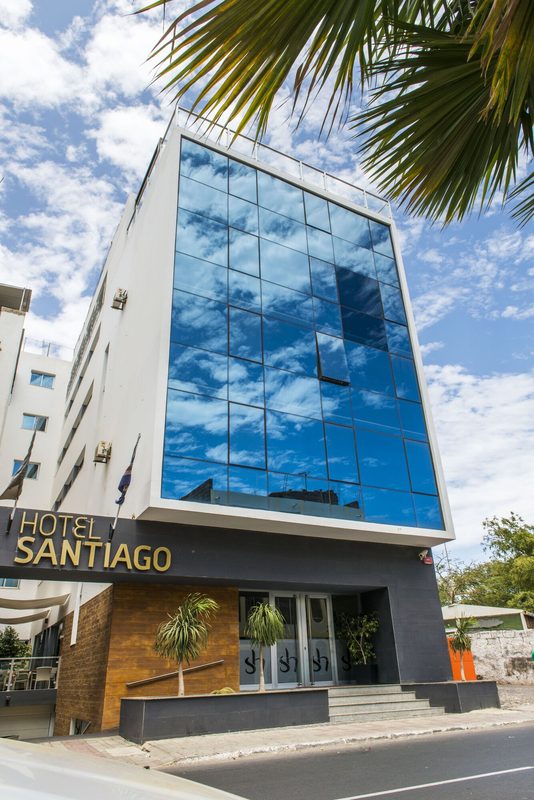
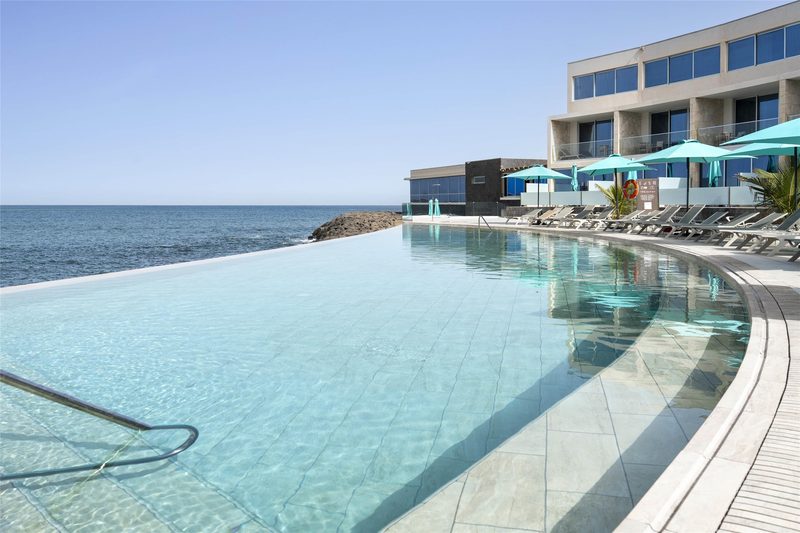
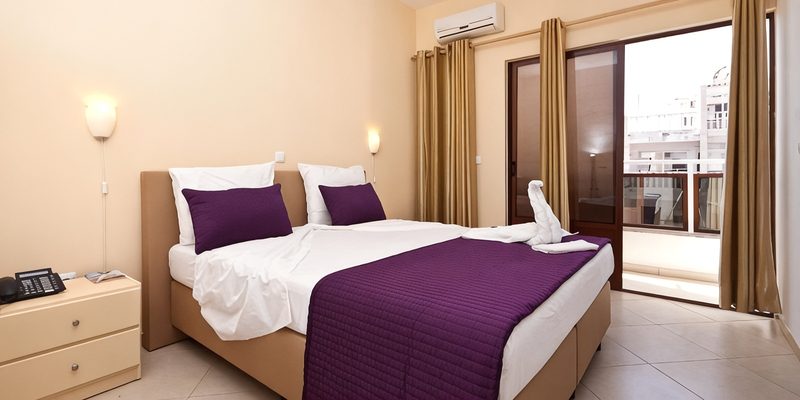
Where to Stay in Praia in September
Hand-picked hotels across price tiers for September travellers.
Packing Checklist
Bookmark this page — your progress is saved between visits
Need the full list with shopping links?
Climate-specific gear, brand recommendations, and what to leave at home.
View Praia Packing List →Essential Tips
Insider knowledge and common pitfalls to avoid
Insider Knowledge
The aluguers, shared minivans that connect Praia to every town on Santiago, leave from Sucupira Market and cost a fraction of what a private taxi charges. They depart when full, not on a schedule, so mornings are fastest. Tell the driver your destination before boarding. Sit tight. Expect stops, diversions, and possibly a crate of fruit loaded through the window. This is the most efficient and most Cape Verdean way to see the island.
Cachupa, the national dish, comes in versions you should try side by side. Cachupa rica, the weekend version layered with pork, chorizo, and sometimes chicken over slow-cooked corn and beans, is richer and heavier than the weekday cachupa pobre, which relies on whatever fish was cheap and seasonal vegetables. The insider order is breakfast cachupa: last night's leftovers fried crisp on a griddle, topped with a fried egg, available at stalls near Sucupira from about six in the morning. The corn develops a smoky, almost caramelised crust that the dinner version never achieves.
Grogue, Cape Verde's cane spirit distilled in trapiches across Santiago's interior, varies wildly depending on who made it. The aged versions, grogue velha, have a smooth caramel warmth that surprises people expecting raw firewater. Ponche, made by steeping grogue with fresh lime peel and sugar, is what most locals drink, served cold in short glasses. September's humidity makes a cold ponche on a Plato bar terrace, with the wind coming off the Atlantic and the lights of the bairros below, one of the more persuasive arguments for visiting during the wet season.
Praia is generally safe to walk around, including after dark on the Plato and along the Prainha waterfront. But the hillside bairros below the plateau can be disorienting once the light goes and petty theft does occur. Locals walk confidently and so should you. Keep valuables out of sight, stick to lit streets, and take a taxi from Sucupira after about ten at night rather than navigating the steep paths down through neighbourhoods you don't know. The biggest risk in September is not crime but slipping on wet steps in the dark.
Avoid These Mistakes
Flying into Sal or Boa Vista and assuming you have experienced Cape Verde. Those islands are beach-resort destinations built around imported food and charter-hotel infrastructure. Santiago, and Praia specifically, is where the culture lives: the music, the cachupa, the Kriolu language, the political history, the markets. Skip Santiago and you have visited a resort that happens to sit in Cape Verdean waters, not Cape Verde itself.
Packing only for beach weather and getting caught without rain protection. September's downpours arrive fast, hit hard, and drench you to the skin in under a minute. Travellers who show up with only sandals, shorts, and a cotton tee find themselves stranded under awnings watching muddy water pour down Praia's steep streets, unable to move for thirty minutes. A proper rain jacket and shoes with grip change the equation entirely.
Trying to visit multiple islands in a five-day trip. Inter-island flights in Cape Verde are limited and do not always run on schedule, and the ferry between Santiago and Fogo can be cancelled by rough September seas without much advance notice. If you have five to seven days, commit to Santiago and explore it properly. The island has more depth than most travellers realise. Add Fogo or Santo Antao only if you have ten days or more and a flexible attitude toward cancellations.
Ready to plan your trip to Praia?
Now that you've got the research covered, here's where to go next.
Explore More Activities in Praia
Didn't see anything interesting yet?
Browse Viator's full catalog of tours, day trips, food experiences, and private guides in Praia.
See All Praia Tours on Viator