Things to Do in Praia in November
November weather, activities, events & insider tips
Low Season · Budget Friendly
November Weather in Praia
Long-run averages for November
85°F (29°C)
High Temp
73°F (22°C)
Low Temp
0.2 inches (5 mm)
Rainfall
69%
Humidity
8
Sunny-Day UV
⚠ Late tropical rain rarely hits November. When it does, it arrives fast and hard. Santiago's volcanic terrain channels runoff quickly. Unpaved mountain roads suffer. The Serra Malagueta area and the route to Rui Vaz can close temporarily after heavy showers. Check conditions first. Pack a rain shell.
Is November Right for You?
Weigh the advantages and considerations before booking
Advantages
- + November lands at the pivot between Praia's wet season and the long dry months ahead. The hillsides above the city still glow green from recent rains. The skies have largely cleared. The volcanic ridgelines behind Platô carry scrub and wildflowers that will vanish by January. Late afternoon light turns the basalt cliffs along the coast a deep copper. Hiking conditions on Santiago Island are about as good as they get.
- + Crowds at Cidade Velha, the UNESCO-listed ruins west of Praia, thin out considerably compared to the December through March high season. European charter flights fill the island then. You can walk the old Rua Banana and stand inside the Fortaleza Real de São Filipe without queuing. Licensed guides at the site tend to have more time for unhurried conversation. That turns a tour into an education. Accommodation availability is wide open. You will likely find better rates than booking just six weeks later.
- + The ocean temperature around Santiago in November hovers near 27°C (81°F). That is warm enough for extended snorkeling without a wetsuit along the rocky coves south of Ribeira da Barca. Visibility tends to be reasonable after the sediment from September and October storms settles. The wind has not yet picked up to the steady Harmattan gusts that arrive in December. It is a surprisingly comfortable window for water activities.
- + November evenings in Praia cool to around 22°C (73°F). A dry breeze comes off the interior plateau. This makes outdoor terrace dining along the Platô and down near Quebra Canela beach pleasant. In August or September it is a sticky endurance test. The smell of grilled tuna and catchupa drifting from kitchen vents mixes with the salt air. You can sit outside past midnight without breaking a sweat.
Considerations
- − November is a transitional month. Transitions are unpredictable. While the monthly rainfall average is just 5 mm (0.2 inches), an occasional late-season downpour is not impossible. When it does rain on Santiago, the volcanic terrain channels water fast. Unpaved roads in the interior around Rui Vaz and São Jorge dos Órgãos can turn to slick mud within an hour. If you are planning a hike to Pico d'Antónia or through Serra Malagueta, build in a flexible day.
- − International flight options to Praia's Nelson Mandela International Airport are more limited in November than during peak season. Direct connections from Lisbon run regularly. Other European gateways tend to reduce frequency until December. You might find yourself routing through Sal Island or Lisbon with longer layovers than you would like. Domestic inter-island flights with local carriers fill up faster than you would expect given the low tourist volume. Cape Verdeans themselves travel heavily around the holidays approaching in December.
- − Some seasonal boat excursions and water-sport operators along Praia's coast are still in transitional mode in early November. They paused during the rougher seas of September and October. Not everything is fully back online until mid-month. If a specific boat trip or coastal excursion matters to you, confirm availability a week or two ahead. Do not assume you can walk up and book.
Best Activities in November
Top things to do during your visit
November finds Praia at a turning point. The brief rains of August and September have retreated, leaving Santiago's volcanic slopes brushed with an unexpected green that will fade by January. Afternoon highs settle around 29 degrees Celsius, cooler than October's 31-degree peak, and the humidity eases to a level that lets the Atlantic trade winds feel refreshing rather than merely warm. Rainfall is negligible, scarcely five millimetres for the entire month, so days stretch long and dry under a sky that shifts from powder blue at dawn to deep indigo by evening. For anyone wondering what to do in Praia at this time of year, the answer is: nearly everything, outdoors, without the sticky air of the wet months slowing you down. The city carries a particular energy in November. Fishermen along the waterfront at Prainha haul in wahoo and yellowfin tuna, their catch laid out on concrete slabs where the iron-salt smell of the ocean mingles with charcoal smoke drifting from grilled-fish stalls. In the Plateau district, Praia's old administrative quarter, the crumbling pastel facades of colonial-era buildings throw long shadows across cobblestones that radiate stored heat well into the evening. Sucupira Market, the large commercial labyrinth below the Plateau, thrums with vendors selling everything from wax-print fabrics to live chickens, the air thick with the scent of ground coffee beans and cured goat cheese. The post-rain clarity means visibility is sharp: from higher ground you can trace the coastline's ragged volcanic cliffs dropping into water that shifts from emerald near the shallows to a deep Atlantic navy. Nights in Praia cool to around 22 degrees Celsius, warm enough to eat outdoors without a layer. Restaurants along Avenida Cidade de Lisboa serve cachupa, the national stew, a slow-cooked tangle of hominy corn, beans, manioc, and whatever protein the cook favours that day, often chouriço or freshly caught grouper. The dish tastes different at every table, smoky and dense in some versions, lighter and almost soupy in others. Live music drifts from bars in Achada Santo António, the neighbourhood that is Praia's after-dark centre, where morna and funaná, Cape Verde's signature musical forms, fill small rooms with the melancholic slide of a cavaquinho or the accordion-driven pulse that makes sitting still almost impossible. November sits in a sweet spot on the calendar: the wet-season mugginess has broken, the December holiday increase has not yet arrived, and Praia belongs to those who live here.

From Praia: Discover Santiago Island in 1 Day
otherThis full-day circuit departs Praia early and traces Santiago's volcanic spine from coast to highland, covering ground that would take independent travellers days to piece together. The route climbs into the Serra Malagueta range, where the air cools and the scent of eucalyptus replaces the salt-and-diesel of the coast, before descending to Tarrafal's pale sand beach on the island's northern tip. Along the way, the van passes through villages where women pound corn in stone pilões, the rhythmic thud carrying across terraced hillsides still faintly green from the season's last rains.
The most efficient way to grasp Santiago's full geographic range, from Praia's coastal sprawl to cloud-draped peaks and a northern beach that feels like a different country.
Insider tip: Sit on the left side of the vehicle heading north for unobstructed views of the ribeira valleys. The right side faces the mountainside for most of the climb.

Santiago Island: Best of Praia & Cidade Velha Tour, a World Heritage Site
culturalThe tour pairs Praia's own landmarks, the Plateau's Albuquerque Square, the neoclassical Presidential Palace, the Ethnographic Museum, with a drive south to Cidade Velha, the oldest European settlement in the tropics and a UNESCO World Heritage Site. Standing in the ruins of the Sé Catedral, roofless since the seventeenth century, you feel the Atlantic wind funnel through the nave while lizards dart across basalt walls blackened by centuries of salt air. The Pelourinho, the old pillory column in the town's central square, is a blunt, sobering artefact of the transatlantic slave trade, and the guide's narration here tends to be the most quietly powerful stretch of the day.
Cidade Velha is where Cape Verdean history begins. This tour contextualises those stones with a local guide who can narrate what the ruins no longer show.
Insider tip: Wear shoes with grip for the climb to the Fortaleza Real de São Filipe above Cidade Velha. The cobblestone path is steep and polished smooth, and the panoramic view of the ribeira below is worth every step.

Santiago Island Experience - Culture, Nature & Tarrafal Beach
guided_experienceThis itinerary overlaps slightly with the full-island day tour but lingers longer in places that reward patience. The cultural stops include a traditional grogue distillery where raw sugarcane juice ferments in open-air vats, the sweet-sharp smell almost dizzying in the warmth, and a community where local women demonstrate pilão corn-pounding and prepare cachupa from scratch. The nature component threads through the Botanical Garden of São Jorge dos Órgãos, where endemic dragon trees and wild coffee plants grow in volcanic soil that crumbles like powdered charcoal underfoot. The day finishes at Tarrafal Beach, where the sand is fine and tawny, the water calm enough for a long swim, and the coconut palms cast the only shade worth claiming.
The extended time at cultural stops, distillery, village kitchen, botanical garden, gives this tour a depth that drive-by circuits cannot replicate.
Insider tip: Bring a dry bag for Tarrafal. There are no lockers on the beach, and the sand gets into everything when the trade wind picks up in the afternoon.

Ribeira da Barca: Boat Trip to the Cave, Snorkeling and BBQ on the beach
adventureThe boat pushes off from Ribeira da Barca on Santiago's western coast, motoring along cliffs that rise sheer and dark from water so clear the volcanic seabed is visible four or five metres down. The destination is a sea cave cut into the basalt, its interior cool and echoing, the light refracting off the water's surface and casting shifting green patterns on the cave walls. After snorkelling in a sheltered cove, expect parrotfish, damselfish, and the occasional moray eel peering from a crevice, the crew sets up a beach barbecue where freshly caught fish sizzles over driftwood coals, the smoke carrying the faintly sweet scent of salt-cured wood.
The combination of sea cave, open-water snorkelling, and a beach barbecue made from whatever was pulled from the ocean that morning is Praia's most elemental day out.
Insider tip: November's post-rain water clarity is noticeably better than the August or September window. Bring a waterproof camera for the cave, where the light show on the walls peaks when the sun is high.
This month: November's minimal rainfall and calmer seas after the wet season mean better underwater visibility and more reliable boat departures than in September or October.

Like Locals: Banana Plantation, and Cuscuz with locals
otherThis tour drives inland from Praia into the irrigated ribeiras where banana plants grow in dense, humid rows, their broad leaves rustling with a papery sound in the slightest breeze. The plantation visit is tactile. You handle the fruit at different stages of ripeness, learn how the volcanic soil and micro-irrigation shape the flavour, and smell the difference between a banana cut green for export and one left to ripen on the stalk until the skin is speckled and the flesh tastes almost like custard. The centrepiece is a home-cooked meal of cuscuz, Cape Verde's steamed cornmeal cake, prepared in a clay mould by a local family who have been making it the same way for generations. The cuscuz arrives warm and faintly sweet, its surface patterned by the mould, served alongside fresh goat cheese and dark local honey that carries a whiff of wildflowers.
The closest you will get in Praia to eating inside a Cape Verdean family's daily life rather than observing it from a tour bus window.
Insider tip: Do not eat a large breakfast before this tour. The family prepares generously, and refusing food is considered impolite.
Where to Stay in Praia in November
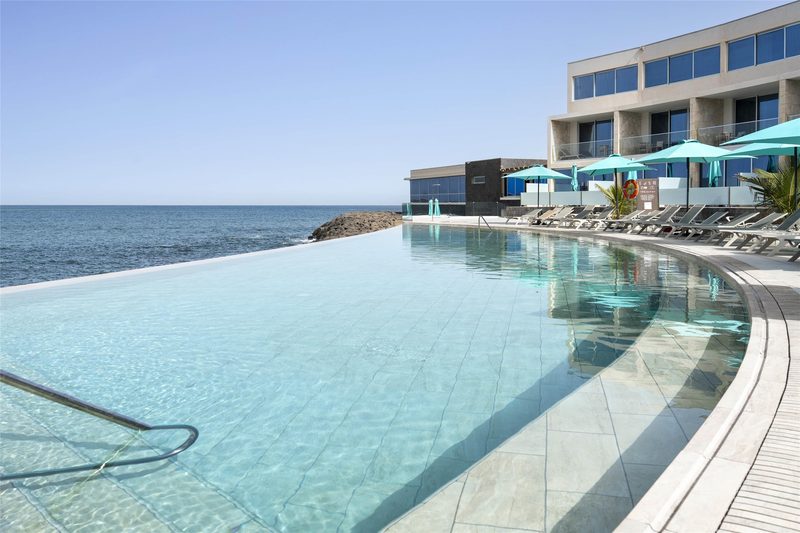
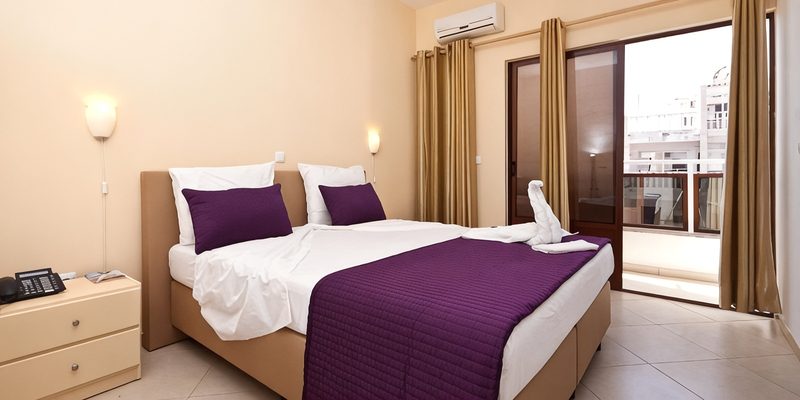
Hand-picked hotels across price tiers for November travellers.
Public Holidays in November
Dates that affect opening hours, transport and crowds
Dia de Todos os Santos
Known in English as All Saints' Day. Observed nationwide as a public holiday.
Dia de Todos os Santos
Known in English as All Saints' Day. Observed nationwide as a public holiday.
Dia de Todos os Santos
Known in English as All Saints' Day. Observed nationwide as a public holiday.
Packing Checklist
Bookmark this page — your progress is saved between visits
Need the full list with shopping links?
Climate-specific gear, brand recommendations, and what to leave at home.
View Praia Packing List →Essential Tips
Insider knowledge and common pitfalls to avoid
Insider Knowledge
Cachupa is Cape Verde's national dish. But in Praia you will find two distinct versions and the difference matters. Cachupa pobre, the everyday version, is a slow-cooked stew of hominy corn and beans, simple and filling. Cachupa rica adds pork, linguiça, blood sausage, and whatever else the cook has on hand. Families make it for celebrations. On weekend mornings, several long-established spots around Platô and the Fazenda neighborhood serve leftover cachupa fried flat on a griddle, called cachupa refogada, with a fried egg on top. The caramelized corn crust and the runny yolk together are the single best breakfast on the island. Ask for it specifically. It does not always appear on menus.
The aluguer minibus system is how Praia locals move around the city and across Santiago, and once you understand it, taxis become unnecessary for most trips. Aluguers depart from Sucupira Market headed to nearly every town on the island. They leave when full, not on a schedule. Early morning departures go fast. Midday waits can stretch. Sit by the window and you will catch the breeze. To Tarrafal, the ride takes about ninety minutes and winds through the highland interior with views that rival any paid excursion.
Praia's live music scene on Santiago is rooted in funaná and batuku, genres you will not hear anywhere else in the world. Funaná is accordion-driven, fast, and impossibly danceable, born in the interior of Santiago among communities that the colonial authorities tried to suppress. Batuku is older, performed almost exclusively by women, percussive and call-and-response, with a driving rhythm that builds until a dancer steps into the circle. On weekend nights, in the neighborhoods around Achada Santo António, the sound of a funaná accordion drifting from a bar or a private party is the real soundtrack of the city. November's dry evenings make these outdoor gatherings more frequent than in the rainy months.
Cape Verde runs on morabeza, a Kriolu concept that translates loosely as warmth or hospitality but means something closer to an insistence on human connection. In practice, this means interactions take longer than you might expect if you come from a hurry culture. A shopkeeper at Sucupira will want to talk before selling. A taxi driver will ask where you are from and offer opinions on where to eat. Leaning into this, rather than rushing through it, is not just polite but will open doors. A few words of Kriolu, even badly pronounced, 'modi ki bu sta' (how are you), changes the temperature of every interaction immediately.
Avoid These Mistakes
Do not assume Praia is just a transit point to Sal or Boa Vista. Many visitors treat Santiago Island as the airport you pass through on the way to the beach resorts, and they miss the most culturally rich island in the archipelago. Praia itself is not a beach destination in the resort sense. But it is the island where Cape Verdean identity, food, and music are most concentrated. Give it at least three full days.
Do not underestimate the sun because of the breeze. The Atlantic trade wind that blows through Praia in November feels cooling enough that you forget you are at 15 degrees north latitude with a UV index of 8 and almost no cloud cover. Sunburn sneaks up aggressively here, on boat trips where the water reflection doubles the exposure. Cover up. Reapply sunscreen more often than you think you need to.
Inter-island travel demands patience. Domestic flights between Cape Verdean islands run on a small fleet. Delays and cancellations are routine, not rare. If your plan hinges on a specific connection from Praia to Fogo or São Vicente, add a buffer day. The same holds for inter-island ferries, which cancel when swells rise. November brings calmer seas than September or October. The water still decides its own schedule.
Ready to plan your trip to Praia?
Now that you've got the research covered, here's where to go next.
Explore More Activities in Praia
Didn't see anything interesting yet?
Browse Viator's full catalog of tours, day trips, food experiences, and private guides in Praia.
See All Praia Tours on Viator